All Resources
Find resources from all of our focus areas in one place

Climate Education
TACL
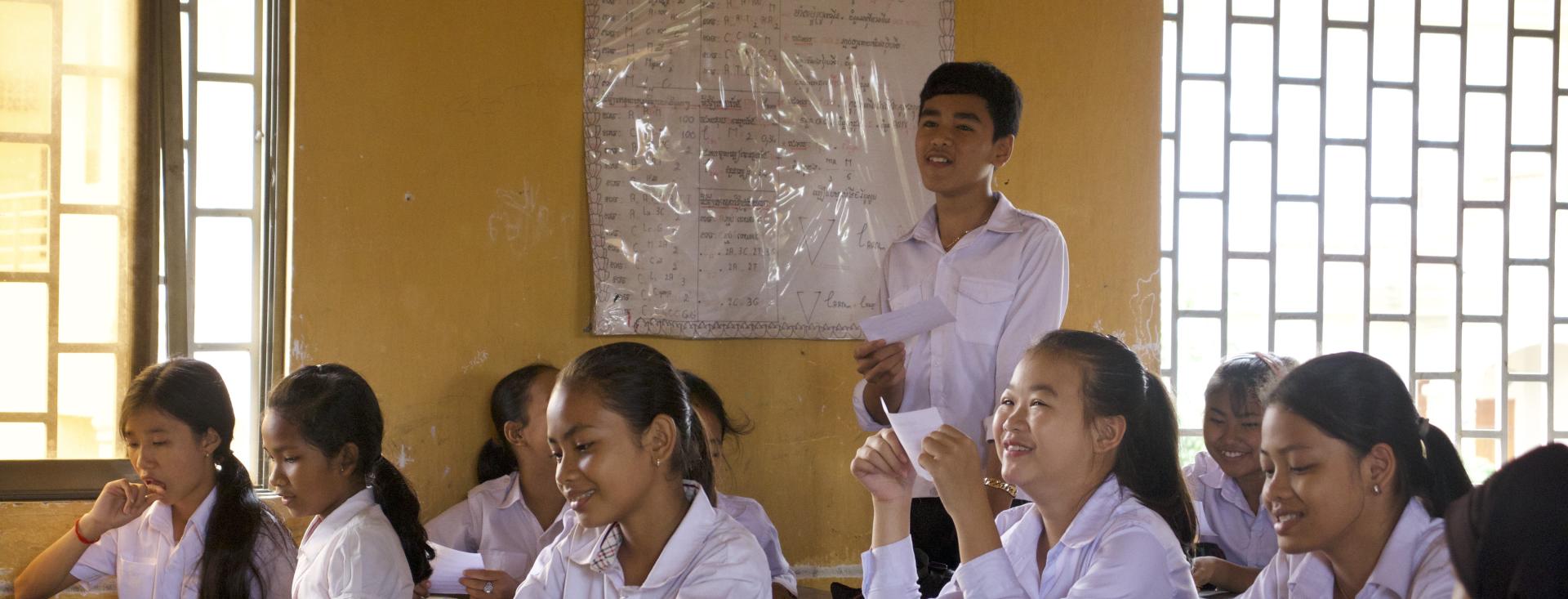
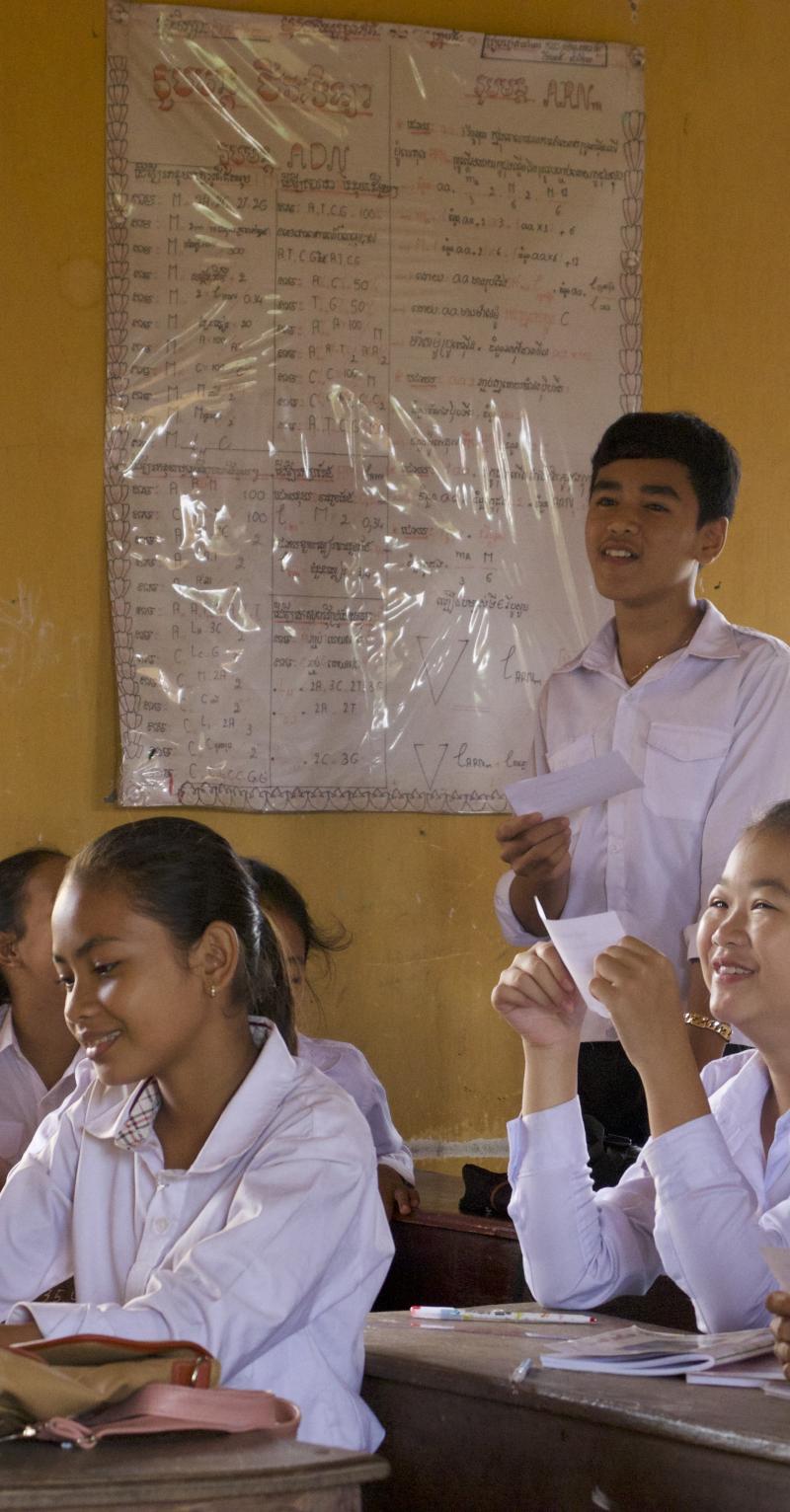
Funghi Thinking - Egoitz Etxeandia (Empieza por Educar)
This video from 2022 shows how Empieza por Educar alumnus Egoitz Etxeandia Romero and his students engage in Funghi Thinking, a project which applies the Project Based Learning perspective and his multi-level, multi-subject and multi-challenge based ...
Climate Education
Common Sense Climate Change Resources
The page presents educational tools that break things down into a set of causes, effects, and solutions. There are resources and lesson plans for digging into data on everything from carbon emissions to population density, analyzing environmental and...
Education in Emergencies
Social-Emotional Learning (SEL) Games Bank
Over 60 games that can be used by teachers to reinforce social-emotional learning competencies. These games help reinforce the 5 SEL competencies – brain building, emotion regulation, positive social skills, conflict resolution, and perseverance.
Education in Emergencies
Earthquakes Teaching Resource
This resource focuses on how individuals and communities prepare for, respond to, and recover from life-changing natural disasters. It also explores the causes of earthquakes using the examples of the 2015 Nepal earthquake, 2010 Haiti earthquake, and...
Education in Emergencies
School Safety During an Emergency or Crisis
Resource that discusses a school's crisis plan, including live active shooter drills at schools, how to communicate emergencies at schools to parents, school emergency response keywords to know, and a school safety checklist for students and par...
TACL
Engaging Across Lines of Difference (Part 4): What Lens Am I Seeing This Through?
In this video from 2015, Jonathan Wieland (Ako Mātātupu: Teach First NZ alumnus) reflects on his experiences at the institute spending time with a Maori community.
Girls' Education
We Can’t Measure Women’s Empowerment the Same Way Everywhere—But Should We Try?
An article describing the challenges of measuring the empowerment of women to evaluate the impact of programs, such as the limitations of standardized questions, and recommended solutions.