Girls’ Education
Resources
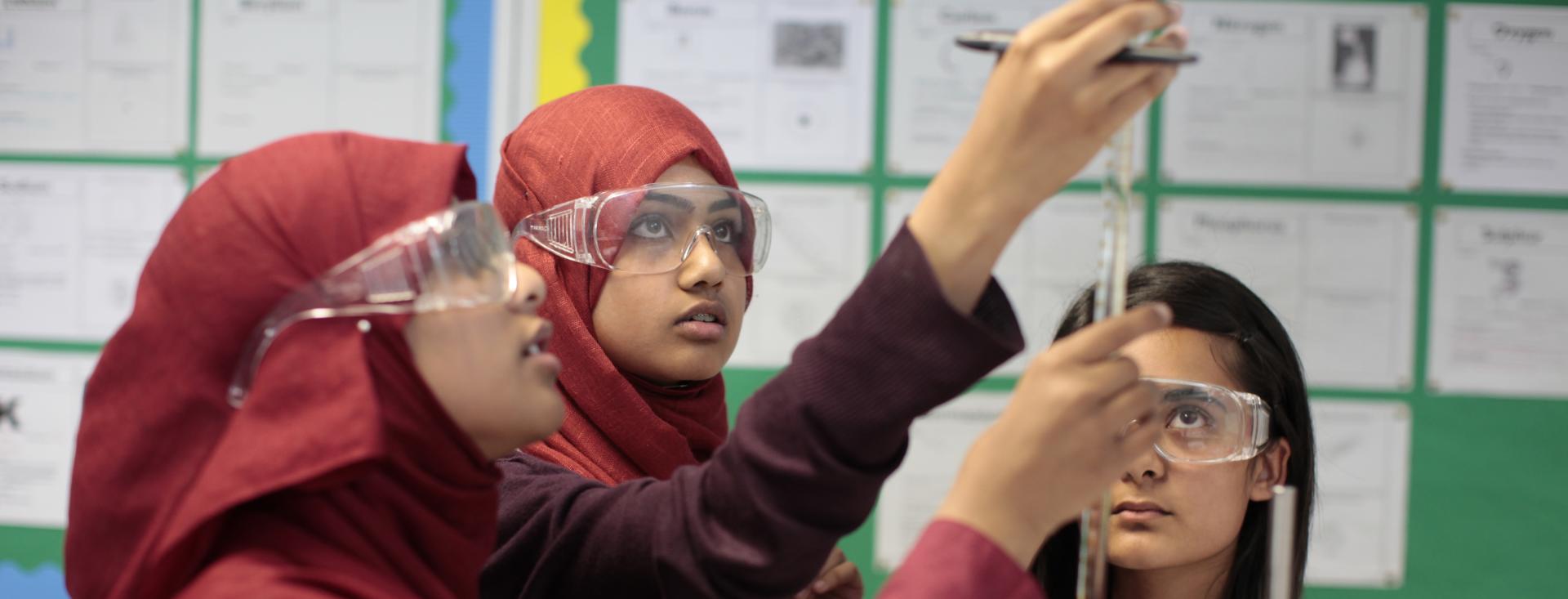
Everyone has a role to play in supporting girls to become empowered, access education for better life outcomes, and thrive. Teach For All is committed to supporting the global network to identify and address the barriers that keep girls from learning and fulfilling their potential through our Girls’ Education initiative. Learn more about gender equity, the issues facing girls around the world, and more in this curated library of resources:
Girls' Education
HerAtlas: Monitoring the Right to Education for Girls and Women
UNESCO’s interactive tool that allows users to explore the educational rights of girls and women around the world. The scoring system enables users to visually monitor legal progress toward securing the right to education for women in all countries.
Girls' Education
Evidence Brief: School-Based Interventions to Prevent Violence Against Women and Girls
A policy brief on select school-based interventions that aim to prevent violence against women and girls (VAWG) or improve attitudes that perpetuate VAWG. It focuses on intimate partner violence, dating violence, and non-partner sexual assault.
Girls' Education
Measuring Gender Attitudes Webinar: Three Key Takeaways
An article about the UNGEI webinar on measuring gender attitudes, focusing on pilot projects in Sierra Leone and Cote D’Ivoire with Save the Children’s Jane Leer and a project in Haryana state, India with the CEO of Breakthrough, Sohini Bhattacharya.
Girls' Education
Gender-Responsive Pedagogy for Early Childhood Education (GRP4ECE) Toolkit
This toolkit developed by VVOB and Forum for African Women Educationalists (FAWE) is an approach to gender-responsive pedagogy for early childhood education (GRP4ECE). It empowers preschool teachers and school leaders to challenge gender stereotypes.
Girls' Education
Gender-Sensitive Pedagogy: The Bridge to Girls’ Quality Education in Uganda
An informative brief looking at how policies that reference gender-sensitive pedagogy are translating into Ugandan classrooms. It reflects on findings of a survey conducted with 70 secondary teachers and 109 students in central and eastern Uganda.
Girls' Education
Is Artificial Intelligence Excluding Indian Women Smartphone Users?
An article that explains how usage-based algorithms are more beneficial for male smartphone users in India and emphasizes the need for gender-inclusive design in artificial intelligence (AI) solutions to avoid perpetuating existing inequalities.