All Resources
Find resources from all of our focus areas in one place
Education in Emergencies
Teaching First Aid
This selection of resources for teaching life-saving first aid skills in schools includes lessons and classroom activities that help students build their confidence and willingness to help someone in an emergency using everyday objects.
Education in Emergencies
L'histoire de Hassan et Youssof
Dans cette courte vidéo, Hassan et Youssof, deux enfants réfugiés, évoquent leur vie en Syrie, leur décision de se rendre en Europe et la manière dont leur père inculque la discipline en tant que champion de karaté. Les enseignants pourraient égaleme...

Climate Education
ELATIA Indigenous Peoples' Training Resources
The ELATIA Partnership, comprised of 19 indigenous peoples’ organizations and networks in 14 countries, plays significant roles in important advocacies across the different spaces. Their Training Institute site has training toolkits on The Indigenous...
Climate Education
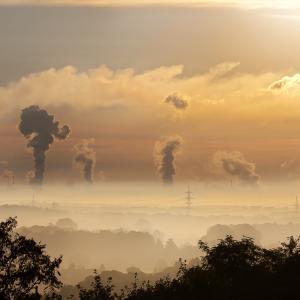
The CO2 Backpack (Germany)
Teach First Deutschland fellow Jens Becker explores the local dimension of climate change with his students and guides them in evaluating their own carbon footprint and consumption choices. Together, the students evaluate the carbon footprint of thei...

Climate Education
Young Climate Activists Toolkit in MENA
Developed in collaboration with the United Nations Development Programme, this toolkit equips young people in the MENA Region with knowledge, tools, and resources to engage in regional and global youth climate action and advocate for change.