All Resources
Find resources from all of our focus areas in one place
TACL
Agents of Change: Building a Vision for Mexico
A nation with tremendous potential to expand and improve educational opportunities for its youth, Mexico also faces a diverse range of challenges. In this video from 2014, Enseña Por México's former CEO, Erik Ramírez Ruiz, shares the importance ...
Climate Education
Klima Challenges
A collection of educational materials developed in collaboration with Teach First Deutschland (Germany). They are mainly posters, practice booklets, and activity ideas. It is useful for creative approaches and for preparing quick classroom activities...
Girls' Education
Full Force: Why the World Works Better When Girls Go to School
A report by the Malala Fund that shares research on girls' education, presents new data on the transition from school to the workforce, and outlines recommendations for the G20 to ensure all girls have the skills they need for the future of work...
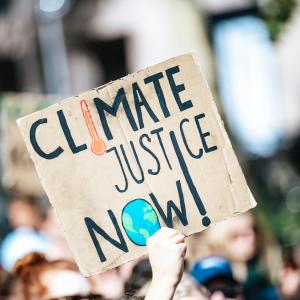
Climate Education
350.org Trainings
The site provides resources on climate activism. It includes self-led interactive courses, a Climate Resistance handbook, and full-length and short feature movies. It can be a great resource for teacher training about climate action.
TACL
Stories on Learning To Face History: Supporting Inclusive and Equitable Schools
This workshop from 2020 explored how divisions in our societies shape the teaching and learning process in our schools. Joined by Facing History partners from South Africa and Colombia, workshop participants examined the powerful role of educator ref...
Girls' Education
Global Education Monitoring Report 2019: Migration, Displacement and Education - Building Bridges, Not Walls
This report reviews global evidence on migration, displacement, and education. It studies the effect of population movements on the access to and quality of education, the implications for migrants and refugees, and the difference education can make.