All Resources
Find resources from all of our focus areas in one place
Education in Emergencies
Talking to Children About Emergencies
An article on how to start a conversation with your students about what happens when the unexpected happens. It’s hard to know what to say when talking to students about emergencies. Teachers don’t want to worry their students, but it’s important for...
Climate Education
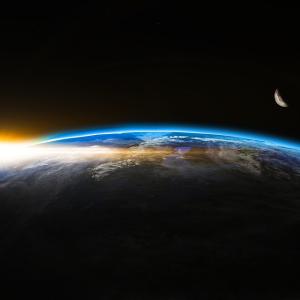
This Is Planet ED: K12 Climate Action
A climate action plan that identifies the opportunity for the education sector to advance climate solutions and prepare today’s students to lead a sustainable future. It outlines recommendations for policymakers at every level to catalyze and scale l...
Education in Emergencies
Trinka and Sam and the Swirling Twirling Wind
A story that helps young children, their families, and teachers talk about feelings and worries they may have after experiencing a tornado. This children's book describes some of Trinka's and Sam's reactions and how their parents help ...
Climate Education
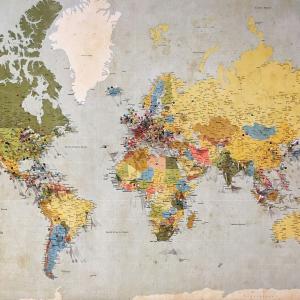
Maps of the New World
Anthropocene Magazine developed a set of maps to help think about our future planet earth in a geographically altered world (including through the impacts of climate change – melting ice, warmer average temperatures, etc.). This could be an interesti...
Education in Emergencies
School Safety During an Emergency or Crisis
Resource that discusses a school's crisis plan, including live active shooter drills at schools, how to communicate emergencies at schools to parents, school emergency response keywords to know, and a school safety checklist for students and par...